About Marlene
Hello, my name is Marlene and I'm a Child and Adolescent Psychotherapist with a specialisation in Play Therapy. I have over 16 years' experience supporting children and young people. I hold a Masters in Child and Adolescent Creative Psychotherapy and a Postgraduate Diploma in Play Therapy from The Children's Therapy Centre (CTC) and I am a member of the Irish Association for Play Therapy and Psychotherapy (IAPTP).
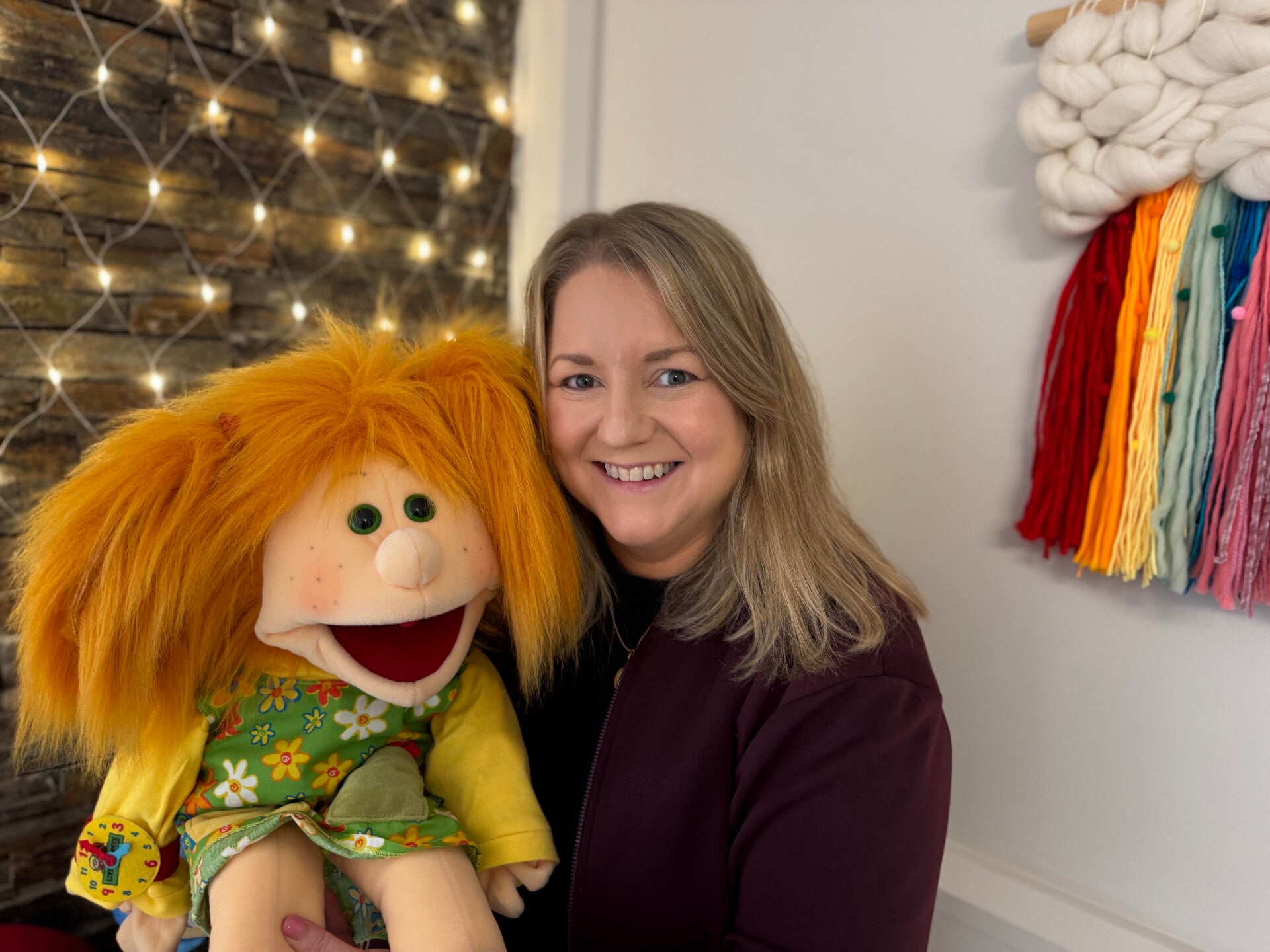
Before becoming a therapist, I worked as a primary school teacher. This gave me a strong understanding of children’s emotional, social and developmental needs both in and outside the classroom. I also worked as a SET teacher in school and hold a Postgraduate Diploma in Special Education. My background in education, combined with my therapeutic training allows me to work closely with families to support children in a compassionate, practical and developmentally appropriate way. I’m passionate about the work I do and feel privileged to support children and their families along their journey. I’m continually inspired by the power of play and the therapeutic relationship and how these can help children express themselves, feel understood and grow in their own unique way.
I have experience supporting children and young people through a wide range of challenges and life experiences, including anxiety, low self-esteem, emotional and behavioural difficulties, school refusal, attachment and relationship difficulties, parental separation, bereavement, trauma, hospitalisation and medical experiences, as well as supporting young people explore their self-identity.
I also have experience supporting neurodivergent children and young people, including those who are beginning to understand and make sense of their neurodivergence. I provide a warm and accepting space where children can explore their individual strengths, needs and experiences, while receiving support with challenges they may face around anxiety, emotional regulation, self-esteem, relationships, sensory needs and navigating everyday life.
Alongside individual therapy, I facilitate therapeutic groups for children focusing on areas such as bereavement, emotional awareness and regulation, and social development. These groups provide a supportive space for children to share experiences, develop confidence and understanding, learn new ways of managing emotions and connect with others.
I’m committed to continuing to learn and develop as a therapist so that I can offer children and families thoughtful and informed support. I have completed the Rainbows Ireland Facilitator Training Programme, further developing my understanding of how to support children experiencing bereavement and parental separation.
I have also undertaken training in Dance Movement Therapy, deepening my appreciation of the many ways children can communicate and express themselves beyond words, through movement, creativity and play.
I believe that every child is unique and has their own way of communicating and making sense of the world. Through play, creativity and a warm, trusting therapeutic relationship, I provide a safe and accepting space where children can explore their feelings and experiences, express what may be difficult to put into words, and develop confidence in themselves and their ability to cope.
Research
As part of my Master’s degree, I completed a research dissertation titled Supporting Bereaved Children in Irish Primary Schools: Exploring Pupil Needs Through the Lens of Play Therapists with Teaching Experience.
This research brought together two areas that are particularly important to me — supporting children through bereavement and understanding the important role that schools can play in a child’s life. It highlighted the value of safe and trusting relationships, ongoing support, and strong communication between families and schools.
The learning from this research continues to shape my work as a therapist, particularly in supporting bereaved children and their families, and in working collaboratively with parents and schools to ensure children feel understood and supported both within and beyond the therapy room.